How to Do a Safe Subcutaneous Peptide Injection
Administering peptides correctly is one of the most important skills anyone using peptide therapy can develop. A poorly executed injection can lead to unnecessary discomfort, wasted product, or even infection. Getting the technique right from the start protects both your results and your health.
Subcutaneous peptide injections are far more approachable than most people expect. With the right supplies, a clean workspace, and a clear process, you can perform them confidently and safely at home. This guide walks you through every step, from preparation to disposal, so nothing is left to guesswork.
Before you begin any injection protocol, make sure your peptides come from a verified, reputable source. Knowing where to find quality peptides is just as important as knowing how to inject them. Purity and proper storage directly affect both safety and effectiveness.
Understanding Subcutaneous Peptide Injections
What is Subcutaneous Injection?
A subcutaneous injection delivers a substance into the adipose tissue layer located just beneath the skin. This layer sits above the muscle, making it distinct from intramuscular injections, which go deeper.
The subcutaneous route is preferred for peptides because absorption is slower and more consistent. The fatty tissue acts as a reservoir, allowing the peptide to enter the bloodstream gradually rather than all at once.
| Injection Type | Target Layer | Common Angle | Typical Use |
|---|---|---|---|
| Subcutaneous | Adipose tissue | 45 degrees | Peptides, insulin |
| Intramuscular | Muscle tissue | 90 degrees | Vaccines, hormones |
| Intravenous | Vein | 15 to 30 degrees | Fluids, medications |
Understanding which tissue layer you are targeting helps you choose the correct needle length and injection angle. Most subcutaneous injections use a short, fine needle inserted at a 45-degree angle into a lifted skin fold.
Benefits and Safety Considerations for Peptides
Peptide therapy has gained significant attention for its potential in areas like recovery, body composition, and longevity research. The subcutaneous route makes self-administration practical and relatively low-risk when done correctly.
Safety starts before the needle ever touches skin. Sterile technique, proper dosage calculation, and correct peptide storage all contribute to a safe injection experience.
Always verify your peptide’s certificate of analysis before use. Learning how to interpret a peptide COA ensures you are working with a product that meets purity standards and is free from harmful contaminants.
Medical professional guidance is strongly recommended, especially for beginners. A healthcare provider can help you determine appropriate dosage, injection frequency, and whether a specific peptide is suitable for your goals.
Gathering Supplies and Preparation
Required Materials
Having everything ready before you begin prevents mid-process mistakes and reduces contamination risk. Gather all supplies and lay them out on a clean, flat surface before touching anything.
Here is what you will need:
- Insulin syringe with a fine gauge needle, typically 28 to 31 gauge
- Reconstituted peptide vial stored correctly
- Bacteriostatic water if reconstitution is still needed
- Alcohol swabs for cleaning the vial top and injection site
- Sterile gloves, optional but recommended
- Sharps disposal container
- Clean paper towels or a sterile drape for your workspace
The insulin syringe is the standard tool for subcutaneous peptide injections. Its short needle and fine gauge make it ideal for reaching adipose tissue without going too deep.
Never reuse syringes or needles. Each injection requires a fresh, sterile syringe to prevent contamination and reduce the risk of infection at the injection site.
Hand Hygiene and Workspace Setup
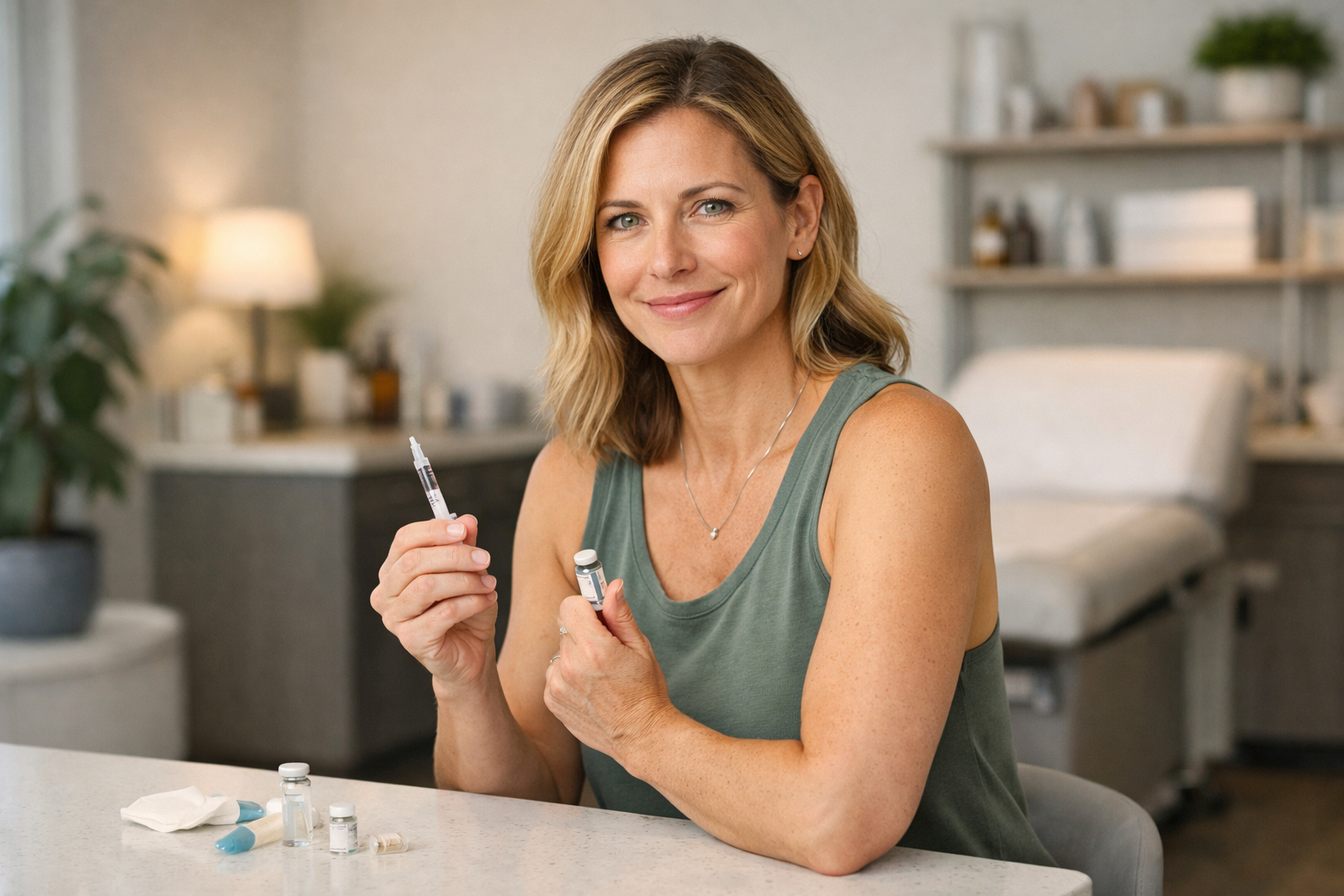
Wash your hands thoroughly with soap and water for at least 20 seconds before handling any supplies. This single step eliminates a significant portion of contamination risk.
Your workspace should be a hard, non-porous surface like a bathroom counter or kitchen table wiped down with a disinfectant. Avoid carpeted areas or cluttered surfaces where sterility is harder to maintain.
Keep your peptide vial refrigerated until just before use. Proper peptide storage is critical for maintaining potency, and temperature fluctuations can degrade the compound before it ever reaches your body.
Step-by-Step Injection Guide
Choosing and Cleaning the Injection Site
The most common subcutaneous injection sites are the abdomen, outer thigh, and the back of the upper arm. Each of these areas has sufficient adipose tissue to accommodate the injection comfortably.
The abdomen is the most popular choice because it is easy to access and has a generous layer of fatty tissue. Avoid injecting within two inches of the navel, as the tissue there is denser and more sensitive.
Injection rotation is essential for preventing tissue damage and lipodystrophy. Rotating between sites with each injection allows each area to recover fully before being used again.
Once you have selected your site, clean it thoroughly with an alcohol swab using a circular outward motion. Allow the area to dry completely before proceeding, as wet alcohol can cause a stinging sensation and may interfere with sterile technique.
Drawing and Preparing the Peptide
If your peptide requires reconstitution, follow a precise process using bacteriostatic water. For a detailed walkthrough, the guide on reconstituting peptides with bacteriostatic water covers every step clearly and accurately.
Clean the rubber stopper of your peptide vial with a fresh alcohol swab and allow it to dry. Insert the needle into the vial at a slight angle to avoid coring the stopper.
Draw back the plunger to pull the correct dosage into the syringe. Always double-check your dosage calculation before drawing to avoid under or overdosing.
Air bubble removal is a critical step that many beginners overlook. Hold the syringe needle-up and gently tap the barrel to encourage bubbles to rise, then slowly depress the plunger to expel them.
A small air bubble in a subcutaneous injection is generally not dangerous, but removing it ensures you are delivering an accurate dosage. Precision matters, especially with peptides measured in micrograms.
Performing the Injection
With your site cleaned and your syringe prepared, pinch a skin fold between your thumb and forefinger at the injection site. This lifts the adipose tissue away from the muscle beneath.
Insert the needle at a 45-degree injection angle into the base of the skin fold using a smooth, confident motion. Hesitating or going too slowly can increase discomfort and the chance of a poor injection.
Once the needle is fully inserted, release the skin fold and slowly depress the plunger at a steady pace. Injecting too quickly can cause localized pain and may affect absorption.
After the full dosage has been delivered, withdraw the needle at the same angle it entered. Apply gentle pressure with a clean cotton ball or gauze, but do not rub the site, as this can cause irritation.
Aftercare, Troubleshooting, and Safety
Post-Injection Care
Minor redness or a small raised area at the injection site is completely normal and typically resolves within an hour. This is simply your body’s response to the needle and the introduced substance.
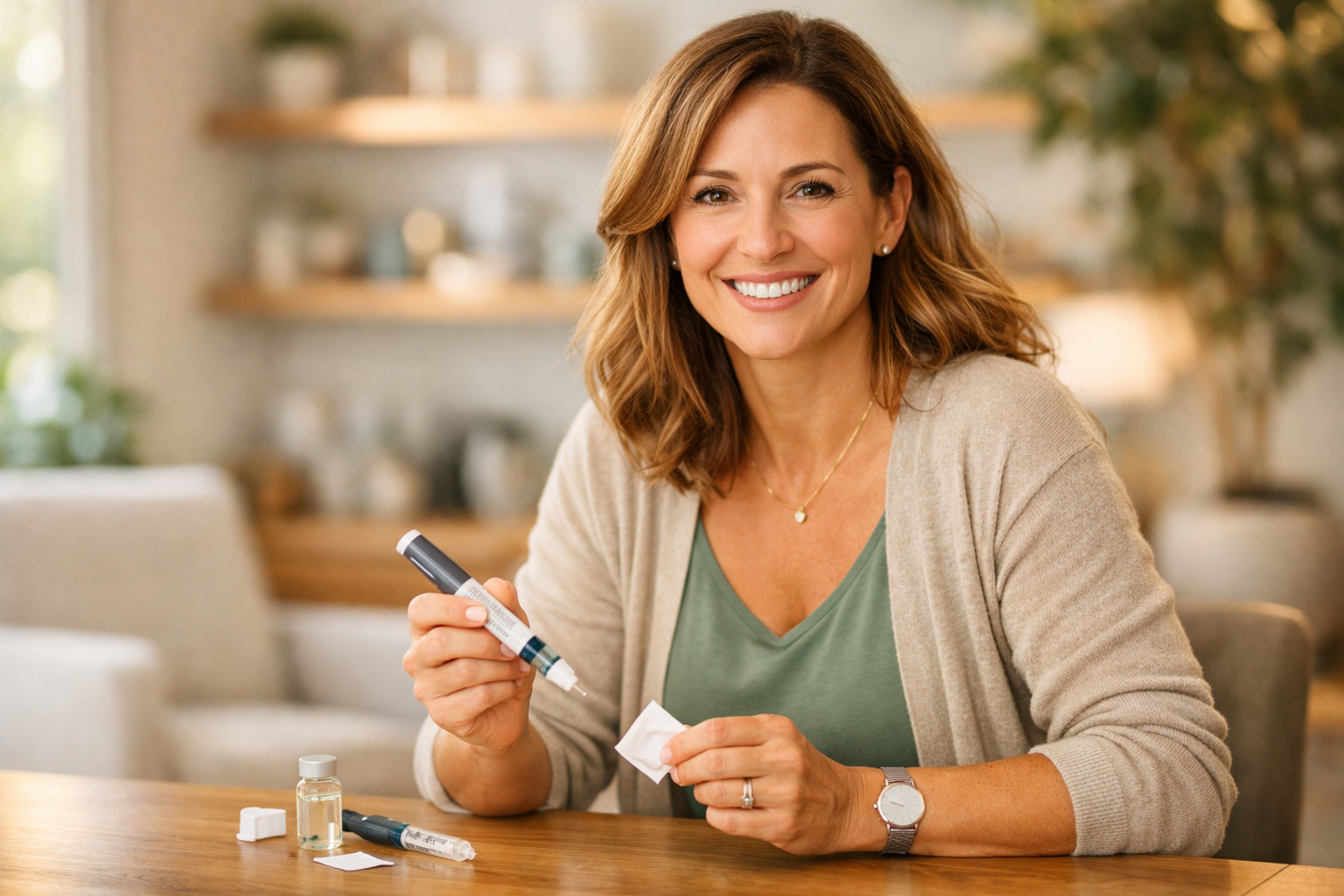
Do not apply ice immediately after injection unless you are experiencing significant swelling. Light pressure with a clean cloth is usually sufficient for post-injection care.
Monitor the site over the next 24 hours for signs of infection, including increasing redness, warmth, swelling, or discharge. These symptoms warrant prompt medical attention and should not be ignored.
Pain management after injection is rarely necessary when proper technique is used. If you consistently experience significant pain, reassess your needle gauge, injection angle, and site selection.
Common Issues and Solutions
Even experienced users encounter occasional issues. Knowing how to troubleshoot them keeps your protocol on track without unnecessary stress.
- Bleeding at the site: Apply gentle pressure for 30 to 60 seconds. Small capillaries are sometimes nicked during injection.
- Burning sensation: This often results from injecting too quickly or from residual alcohol on the skin. Slow your injection speed and ensure the site is fully dry.
- Lumps under the skin: These can form if the same site is used repeatedly. Consistent injection rotation prevents this issue.
- Leakage after withdrawal: This may indicate the needle was not inserted deeply enough. Ensure the full needle length is within the skin fold.
- Bent or dull needle: Discard immediately and use a fresh syringe. Never attempt to inject with a compromised needle.
Injection technique improves with practice and patience. If you are struggling with consistency, consider consulting a medical professional who can observe your technique and offer personalized guidance.
Proper Disposal
Used needles and syringes must never be placed in regular household trash. Sharps disposal containers are specifically designed to prevent needle-stick injuries and contain biological material safely.
Most pharmacies sell sharps containers at low cost, and many communities offer drop-off programs for full containers. Check your local regulations for approved disposal methods in your area.
Seal the container when it reaches the fill line and never attempt to recap needles by hand. Needle-stick injuries are a preventable risk that proper disposal habits eliminate entirely.
Conclusion
Performing a subcutaneous peptide injection safely comes down to preparation, sterile technique, and consistent practice. Each element of the process, from workspace setup to proper disposal, contributes to a safer and more effective experience.
Sourcing high-quality peptides, understanding your dosage, and following a structured injection rotation protocol are non-negotiable foundations. Cutting corners on any of these steps increases risk without improving results.
If you are new to peptide therapy, seek medical professional guidance before starting any injection protocol. A qualified provider can help you build a safe, effective plan tailored to your specific needs and goals.
FAQ
What are the best sites for subcutaneous peptide injections?
The abdomen, outer thigh, and back of the upper arm are the most commonly used and recommended sites. Each offers accessible adipose tissue and is easy to manage during self-injection. Rotating between these sites with each injection prevents tissue damage and maintains consistent absorption.
What should I do if I experience pain or redness at the injection site?
Mild redness and minor discomfort are normal and typically resolve within a few hours. Apply gentle pressure and monitor the area for worsening symptoms. If redness spreads, the area becomes warm to the touch, or you notice discharge, contact a medical professional promptly.
How often should I rotate injection sites?
Rotate your injection site with every single injection without exception. Using the same spot repeatedly leads to lipodystrophy, scar tissue buildup, and inconsistent peptide absorption. Keeping a simple log of which site you used last makes rotation easy to track and maintain.