5 Best Places to Buy Peptides Online
Navigating the peptide marketplace requires careful research and attention to detail. The difference between high-quality research chemicals and subpar products can significantly impact your research outcomes.
With countless suppliers claiming to offer premium peptides like BPC-157, TB-500, and GHK-Cu, finding reliable sources becomes crucial for researchers and fitness enthusiasts alike. This comprehensive guide examines the most reputable peptide suppliers, their verification processes, and how to ensure you receive laboratory-grade compounds for your research purposes.
Our Top Choice: BioEdge Research Labs

BioEdge Research Labs provides high quality, USA based peptides with 3rd party testing at affordable price.
Our Top Peptide Companies
Below is our complete list of peptide companies.
#1 BioEdge Research Labs
This is by far our favorite peptide supplier because of the quality peptides, reliable support, quality products, and at a better price than many of the other peptide companies.
The company has 3rd party tested research compounds with the reports listed, a great rating on sites like Trust Pilot, and it’s all made in the USA.
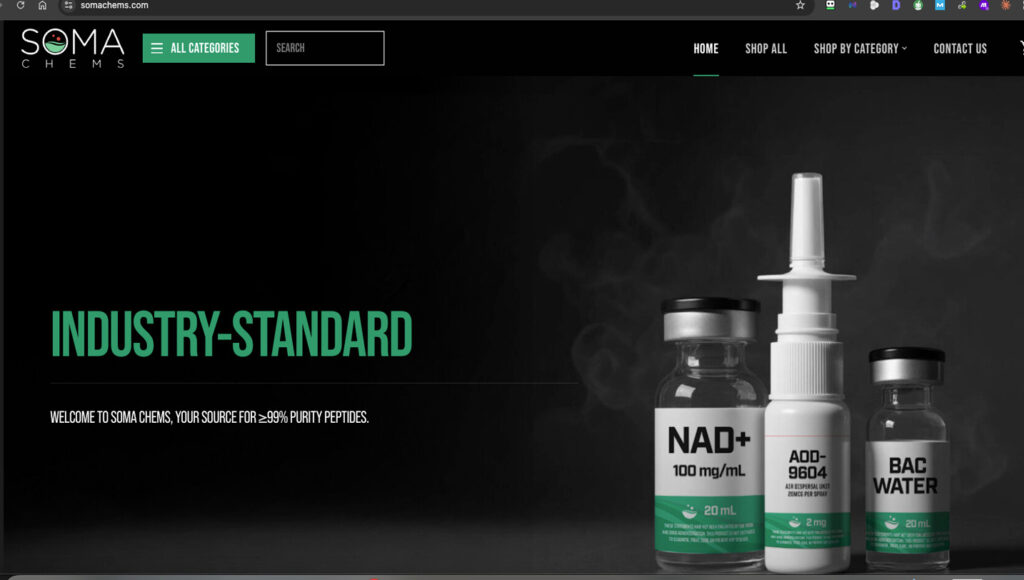
#2 Soma Chems
#3 Omeg Amino
#4 Limitless Life Nootropics
#5 Modern Aminos
Offer Details from Top Peptide Suppliers
The peptide industry has evolved dramatically, with several standout companies establishing themselves as leaders in quality and reliability. These suppliers differentiate themselves through rigorous testing protocols, transparent sourcing practices, and consistent product purity. When evaluating peptide sources, examine their product range, third-party testing procedures, and customer feedback.
USA peptide suppliers typically maintain stricter quality control standards than many international counterparts. This often translates to higher prices but provides greater assurance of receiving authentic research chemicals. The most reputable vendors openly share their purity certification and laboratory analysis reports.
Available Peptide Products and Purity Certification
Top peptide suppliers offer comprehensive product catalogs featuring popular compounds for various research applications. The most sought-after peptides include performance-enhancing options like BPC-157 and TB-500 for muscle recovery research, GHK-Cu for skin health studies, and Melanotan II for pigmentation research. Metabolic peptides like Ipamorelin and CJC-1295 remain popular for their potential anti-aging research applications.
Quality vendors distinguish themselves by providing detailed purity certification for each product.
This typically includes:
| Supplier Type | Testing Standards | Documentation Provided | Average Purity |
|---|---|---|---|
| Premium Research Suppliers | HPLC, Mass Spec, Sterility | Full COA, Lot Numbers, Manufacturing Date | 98-99.9% |
| Mid-Tier Suppliers | HPLC, Basic Testing | Basic COA | 95-98% |
| Budget Suppliers | Minimal or Undisclosed | Limited or None | 90-95% or Undisclosed |
The most reputable suppliers maintain consistent laboratory grade standards across their entire product line. They invest in regular third-party testing to verify their internal quality control processes. This commitment to quality creates a significant difference in research outcomes when compared to less stringent suppliers.
Collagen peptides and other cosmetic-focused peptides often undergo additional testing for skin sensitivity and bioavailability. These specialized tests help researchers understand how these compounds might perform in various applications.
Pricing Structures and Discounts
Peptide pricing varies widely based on several factors including purity levels, quantity, and supplier reputation. Premium suppliers typically charge more but deliver consistently higher quality research chemicals. Budget options might offer attractive pricing but often compromise on purity or testing standards.
Most established peptide suppliers implement tiered pricing structures that reward bulk purchases. Discounts typically range from 5-20% based on order volume. Many also offer subscription options for researchers requiring regular supplies, providing both convenience and cost savings.
Savvy researchers utilize discount codes during seasonal promotions or special events. These promotions typically occur quarterly and can reduce costs by 10-25%. Joining supplier newsletters often provides early access to these promotional opportunities.
Payment method can also impact final pricing. Many suppliers offer discounts for cryptocurrency payment due to reduced processing fees and chargeback risks. These discounts typically range from 5-15% compared to credit card payment options.
The true value of peptides extends beyond the sticker price. Consider the comprehensive cost including:
- Base product price
- Shipping fees
- Import duties (for international shipping)
- Payment processing fees
- Potential reshipment costs for lost packages
Premium suppliers might charge more upfront but often provide superior customer service and guaranteed delivery, reducing overall research costs in the long run.
Signup Process for Purchasing Peptides
Purchasing peptides requires navigating specific signup procedures designed to ensure legal compliance. These processes vary by supplier but typically include age verification and research purpose documentation. Understanding these requirements beforehand streamlines the purchasing experience.
Most reputable suppliers implement these procedures to operate within regulatory frameworks while providing quality research chemicals to legitimate researchers. The signup process serves as your first indication of a supplier’s professionalism and commitment to legal operation.
Account Creation Requirements
Creating an account with peptide suppliers typically begins with basic information collection. This includes:
– Valid email address
– Password creation
– Basic contact information
– Age verification (must be 18+ or 21+ depending on jurisdiction)
– Research purpose declaration
Premium suppliers often require additional verification steps to ensure compliance with research chemical regulations. These might include uploading identification documents or signing research intent declarations. While potentially inconvenient, these extra steps indicate a supplier’s commitment to legal operation.
The most reputable vendors implement robust age verification systems to prevent unauthorized purchases. This typically involves submitting government-issued identification or using third-party age verification services. This process usually takes 1-24 hours depending on the supplier’s verification protocols.
Some suppliers require institutional affiliation documentation for certain high-purity research chemicals. This might include university credentials or research facility information. These requirements vary by product category and regulatory jurisdiction.
Verification and Legal Compliance Checks
Legitimate peptide suppliers conduct various verification checks to ensure legal compliance. These procedures protect both the supplier and customer while maintaining industry standards. The thoroughness of these checks often correlates with supplier reliability.
The verification process typically includes:
– Document authenticity verification
– Address validation
– Research purpose assessment
– Regulatory compliance review
– Restricted jurisdiction screening
Suppliers must navigate complex regulatory landscapes that vary by country and region. The most professional vendors clearly communicate which jurisdictions they can legally ship to and maintain updated compliance policies. This transparency helps researchers avoid potential legal complications.
Many suppliers require customers to acknowledge that purchased peptides are strictly for research purposes and not for human consumption. This documentation protects both parties and establishes clear usage parameters. Reputable suppliers refuse sales when intended use violates these terms.
The verification process might seem cumbersome but serves as an important quality indicator. Suppliers that skip these steps may prioritize quick sales over legal compliance and customer safety.
Steps to Redeem Your Peptide Order
Once verified, the ordering process follows a structured workflow designed to ensure accurate fulfillment and delivery. Understanding this process helps researchers plan their studies and manage expectations regarding delivery timelines.
Order Placement and Payment Methods
Placing a peptide order typically involves selecting products, specifying quantities, and proceeding to checkout. Most suppliers offer intuitive shopping cart systems similar to standard e-commerce platforms. Product pages should clearly display concentration, quantity, and purity information.
Payment options vary by supplier but typically include:
– Credit card payment (Visa, Mastercard, sometimes Amex)
– Cryptocurrency payment (Bitcoin, Ethereum, others)
– Bank transfers (less common but available with some suppliers)
– Electronic payment systems (varies by region)
Cryptocurrency payment has become increasingly popular in the peptide market due to its privacy benefits and reduced processing fees. Many suppliers offer significant discounts (5-15%) for customers using this payment method. Bitcoin remains the most widely accepted cryptocurrency, though many vendors now accept alternative coins.
Credit card payment provides convenience but sometimes encounters processing issues due to bank restrictions on research chemical purchases. Some suppliers use specialized payment processors or code transactions differently to avoid these limitations. This may result in charges appearing under different business names on statements.
After payment confirmation, most suppliers provide order tracking information within 24-48 hours. Premium vendors often offer real-time order status updates through customer portals or email notifications.
Shipping Options and Delivery Tracking
Peptide suppliers typically offer multiple shipping options balancing speed, cost, and reliability. Domestic shipping within the USA usually takes 2-5 business days, while international shipping timeframes vary significantly based on destination and customs processing.
Standard shipping options include:
– Standard domestic (3-5 business days)
– Express domestic (1-2 business days)
– Standard international (7-21 business days)
– Express international (3-7 business days)
Quality suppliers implement temperature-controlled packaging for sensitive peptides like BPC-157 and TB-500. This specialized packaging maintains product stability during transit, particularly important during summer months or for shipments to hot climates.
Tracking capabilities vary by shipping method and supplier. Premium vendors provide detailed tracking information through major carriers with regular status updates. Budget suppliers might offer limited tracking or use postal services with less robust tracking systems.
International shipping introduces additional considerations including customs clearance and import duties. Reputable suppliers accurately declare packages to minimize customs delays while complying with international shipping regulations. Some provide customs clearance assistance for complex jurisdictions.
Customer Support for Order Issues
Even with careful planning, order issues occasionally arise. The response to these situations reveals a supplier’s true commitment to customer satisfaction. Premium peptide vendors offer comprehensive support through multiple channels:
– Email support (typically 24-48 hour response time)
– Live chat during business hours
– Phone support (less common but valuable for urgent issues)
– Dedicated support tickets
Common order issues include shipping delays, customs holds, damaged products, or incorrect items. Quality suppliers maintain clear policies for addressing these situations, including reshipment guarantees for lost or damaged packages.
The best vendors provide proactive communication about potential delays or issues rather than waiting for customer inquiries. This transparency builds trust and allows researchers to adjust their plans accordingly.
For temperature-sensitive peptides, quality suppliers offer replacement guarantees if evidence suggests temperature excursions during shipping. This might require photographic documentation of damaged packaging or melted ice packs.
Security and Privacy Considerations During Signup and Purchase
Security concerns remain paramount when purchasing peptides online. Quality suppliers implement robust protections for both payment processing and personal information. These measures protect customers from fraud while maintaining research privacy.
Secure Payment Gateways
Reputable peptide suppliers utilize encrypted payment processing systems that meet current industry standards. These secure payment gateways protect sensitive financial information during transactions. Look for these security indicators:
– SSL encryption (https:// in website address)
– PCI DSS compliance for credit card processing
– Tokenization of payment information
– Two-factor authentication options
– Fraud monitoring systems
Cryptocurrency transactions offer additional security benefits through blockchain technology. These transactions eliminate the need to share sensitive financial information with the supplier. The irreversible nature of cryptocurrency payments also protects suppliers from fraudulent chargebacks.
Some suppliers utilize specialized payment processors designed specifically for research chemical transactions. These processors understand the unique needs of this market and implement appropriate security measures while maintaining compliance with financial regulations.
Data Protection and Confidentiality
Privacy concerns extend beyond payment information to include personal details and research interests. Legitimate peptide suppliers maintain strict data protection policies governing information collection, storage, and sharing practices.
Key privacy considerations include:
– Limited data collection (gathering only essential information)
– Encrypted data storage systems
– Clear privacy policies detailing information usage
– No sharing of customer data with third parties
– Secure account access protocols
– Regular security audits and updates
Quality suppliers offer discreet packaging that doesn’t identify the contents or nature of the products. This packaging typically uses plain boxes or envelopes with generic return addresses. This discretion protects customer privacy during the delivery process.
Many researchers prefer suppliers that offer account deletion options after purchase completion. This feature allows complete removal of personal information from supplier databases once research materials have been received.
Conclusion
Finding reliable peptide suppliers requires balancing quality, price, and security considerations. The best sources consistently deliver high-purity research chemicals while maintaining strict legal compliance and customer privacy. Premium suppliers distinguish themselves through comprehensive third-party testing, transparent business practices, and exceptional customer support.
When evaluating potential peptide sources, prioritize those offering detailed purity certification and laboratory analysis reports. These documents provide crucial verification of product quality and composition. Suppliers unwilling to share this information should raise immediate concerns.
The peptide marketplace continues to evolve with changing regulations and research needs. Establishing relationships with reputable suppliers provides long-term benefits including consistent product quality, preferential pricing, and reliable availability. This stability proves invaluable for ongoing research projects requiring specific compounds.
Remember that legitimate research requires legitimate tools. Investing in quality peptides from reputable sources ultimately saves time, money, and frustration compared to dealing with substandard products or unreliable vendors.
FAQ
What documents do I need to sign up to buy peptides online?
Most reputable peptide suppliers require government-issued identification for age verification, a research purpose declaration, and sometimes institutional affiliation documentation depending on the specific peptides being purchased.
How can I verify the purity of peptides after purchase?
Request the Certificate of Analysis (COA) from your supplier and compare it with independent testing through a third-party laboratory that offers HPLC or mass spectrometry analysis services.
What should I do if my peptide shipment is delayed or incorrect?
Contact the supplier’s customer support immediately with your order number, tracking information, and specific issue details, while documenting any package damage with photographs if applicable.